Enabling Older Individuals to Engage in Exercise Through Holistic Training Recommendations
Wiki Article
Staying active is important for individuals of every age group, but it grows especially vital as individuals mature. For older adults, routine physical activity supports maintaining self-reliance, enhances movement, and boosts overall well-being. Well-rounded fitness plans provide aging individuals with organized approaches to wellness that cover stability, range of motion, strength, and stamina. By following well-designed exercise routines, seniors can enhance their well-being while reducing the likelihood of falls, chronic diseases, and emotional difficulties.
Physical fitness for seniors is not limited to demanding routines or rigorous exercise regimens. It concentrates instead on moderate, gradual, and maintainable activity that matches personal capacities. Activities such as brisk walking, stretching, chair yoga, and light resistance training aid in preserving joint flexibility and firmness. Cardiovascular exercises like aqua aerobics or stationary cycling improve circulation, which are key for maintaining physical endurance and performance. These physical practices also support cognitive wellness, as studies have indicated that consistent activity can improve mental clarity, mood, and mental performance.
Thorough web link fitness recommendations prioritize a well-rounded strategy to wellness, covering muscular, emotional, and community factors of health. Participants are encouraged to begin slowly and move forward at a comfortable pace, maintaining security while reducing overexertion. Including pre- and post-exercise stretches minimizes injury, while adequate water consumption and meal balance complement exercise routines. Additionally, community-based programs—such as group fitness classes or community walking programs—offer chances for peer support, engagement, and emotional support, which are just as vital to complete fitness.
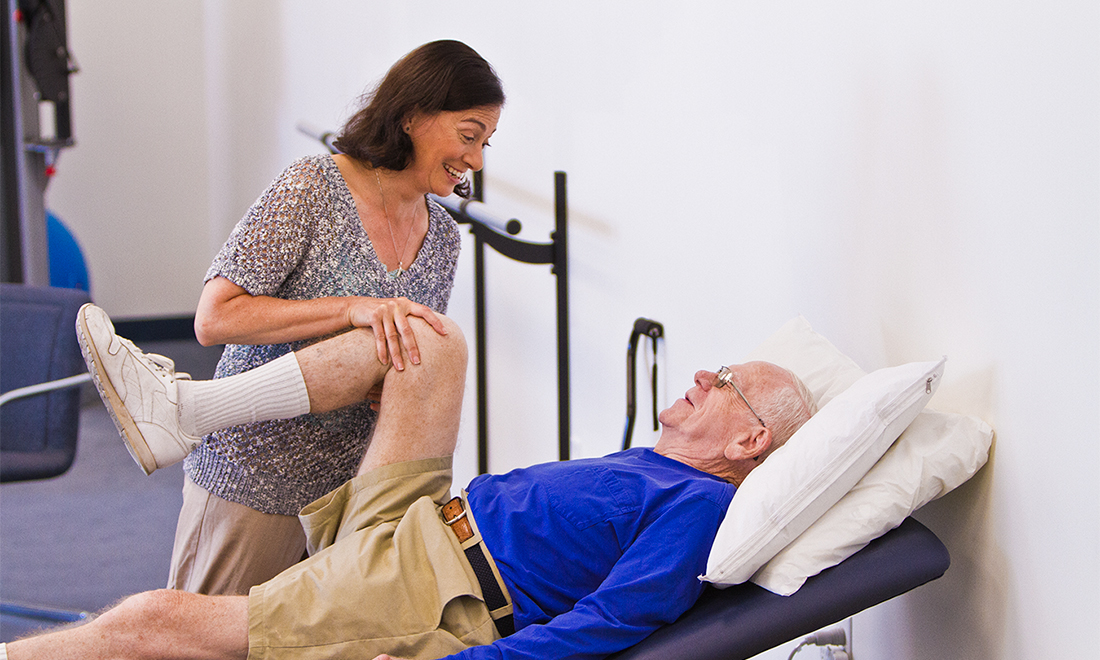
Qualified instruction plays a important role in assisting seniors build personalized exercise plans. Seeking advice from physicians, mobility experts, or exercise professionals guarantees that routines are aligned to specific health conditions, fitness levels, and objectives. These professionals can design effective training methods that consider factors such as joint conditions, skeletal weakness, or cardiovascular limitations. Through consistent evaluation and refinement, fitness routines continue to be productive and enjoyable, promoting sustained engagement and progress.
In conclusion, enabling older adults to adopt fitness through inclusive training recommendations builds a culture of active aging. When seniors are provided with information, inspiration, and guidance, they build assurance in their strength and enjoy greater independence. Regular exercise enhances not only physical strength but also mental clarity and emotional resilience. By prioritizing inclusive, well-guided exercise plans, communities can help that every senior has a fantastic read the opportunity to live a healthy, active, and meaningful journey.